
By Rhen Hoehn, Director of Marketing
Most planned giving advice stops at the conversation. But sometime gifts fail after the conversation, in the paperwork: a bequest written to an entity that doesn't legally exist, a gift of land nobody was authorized to accept, a restricted fund too small to a...
By Rhen Hoehn, Director of Marketing
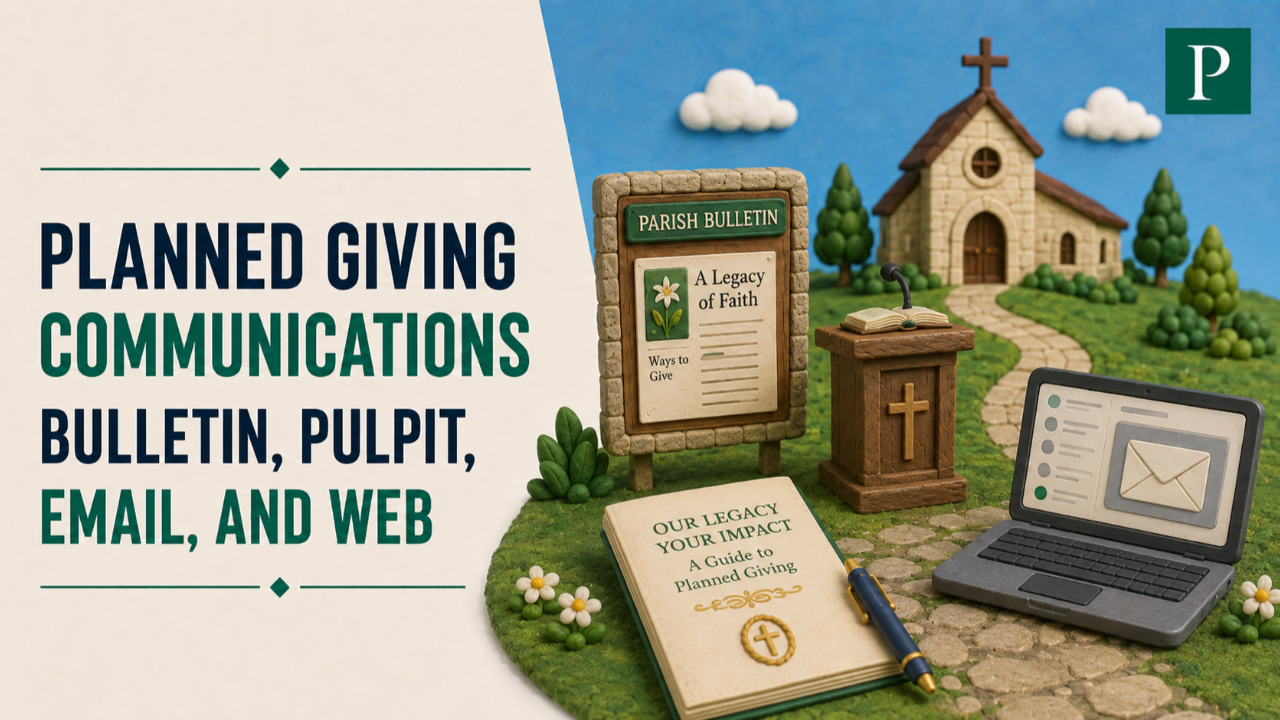
Most nonprofits don't have a planned giving communications problem. They have a planned giving silence problem. The program exists on paper, the pastor is supportive, someone drafted a legacy society name two years ago, and nothing has appeared in communicati...
By Rhen Hoehn, Director of Marketing
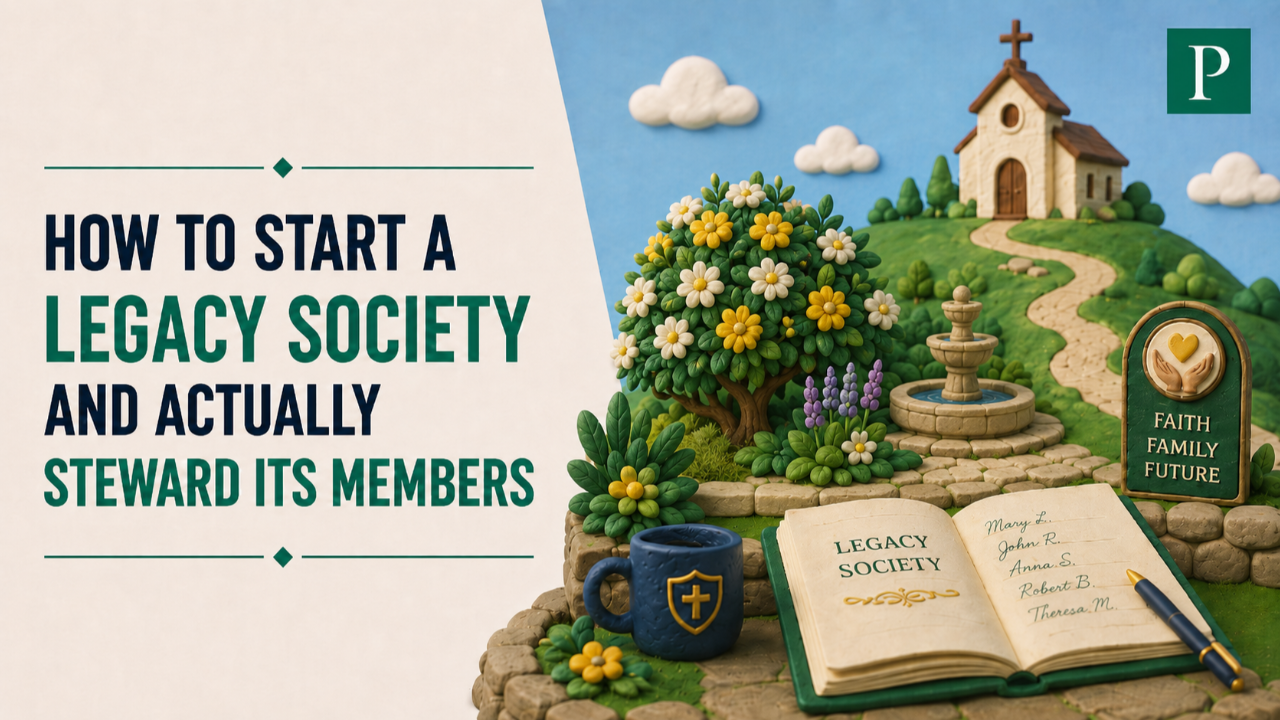
Most legacy societies fail quietly. Launching is the easy part, but maintaining can be a struggle. The societies fail in year four, when the founding development director has moved on, nobody has written to the members in eighteen months, and a charter member...
By Rhen Hoehn, Director of Marketing
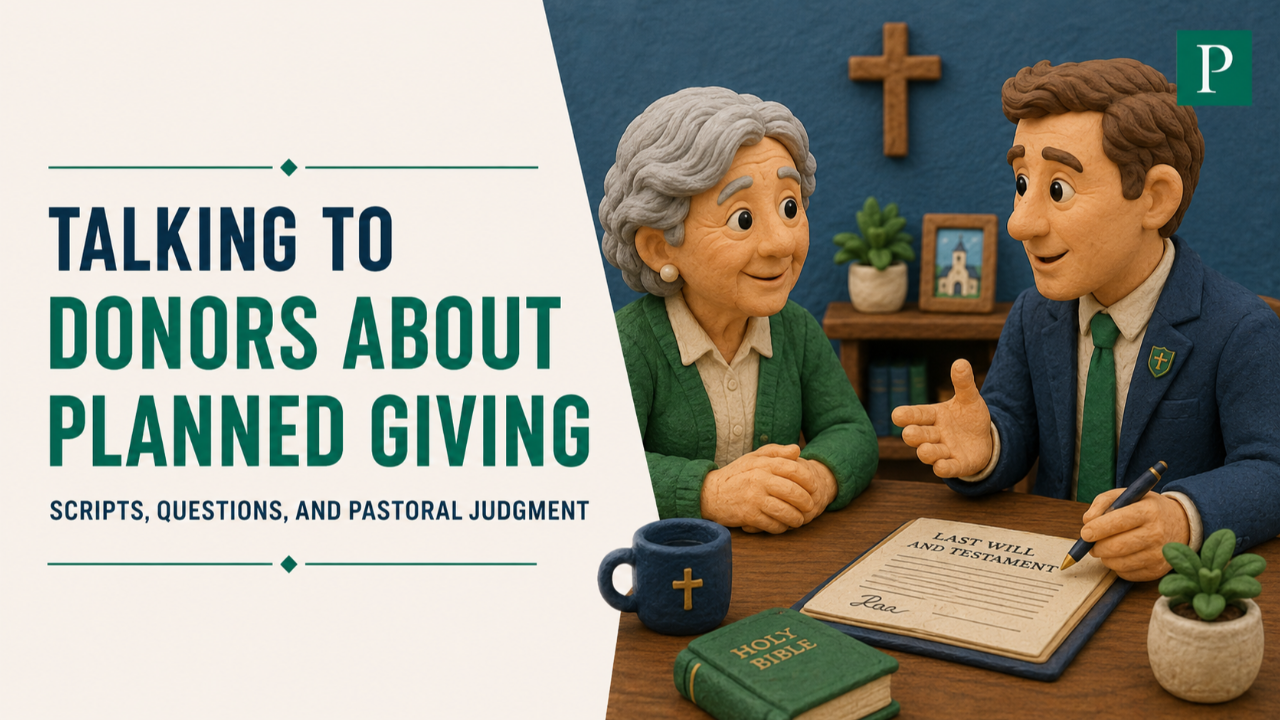
Most development officers don't avoid planned giving because they doubt its value. They avoid it because they are intimidated. What How do you sit across from a seventy-eight-year-old parishioner and raise the subject of her will without making the moment str...
By Rhen Hoehn, Director of Marketing
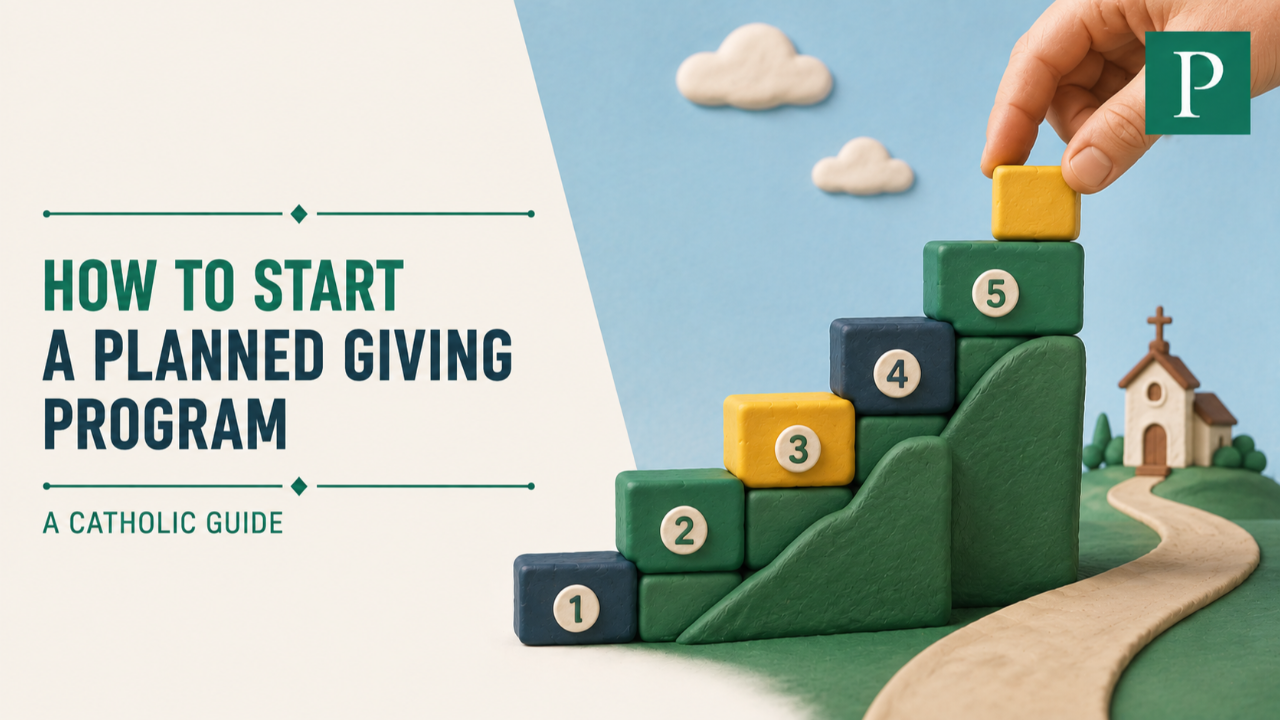
Someone told you it was time to start a planned giving program.
Maybe a parishioner died and left the parish an unexpected gift. Maybe the bishop asked every parish to name a planned giving contact. Or maybe you looked around and realized no one had ever inv...
By Rhen Hoehn, Director of Marketing
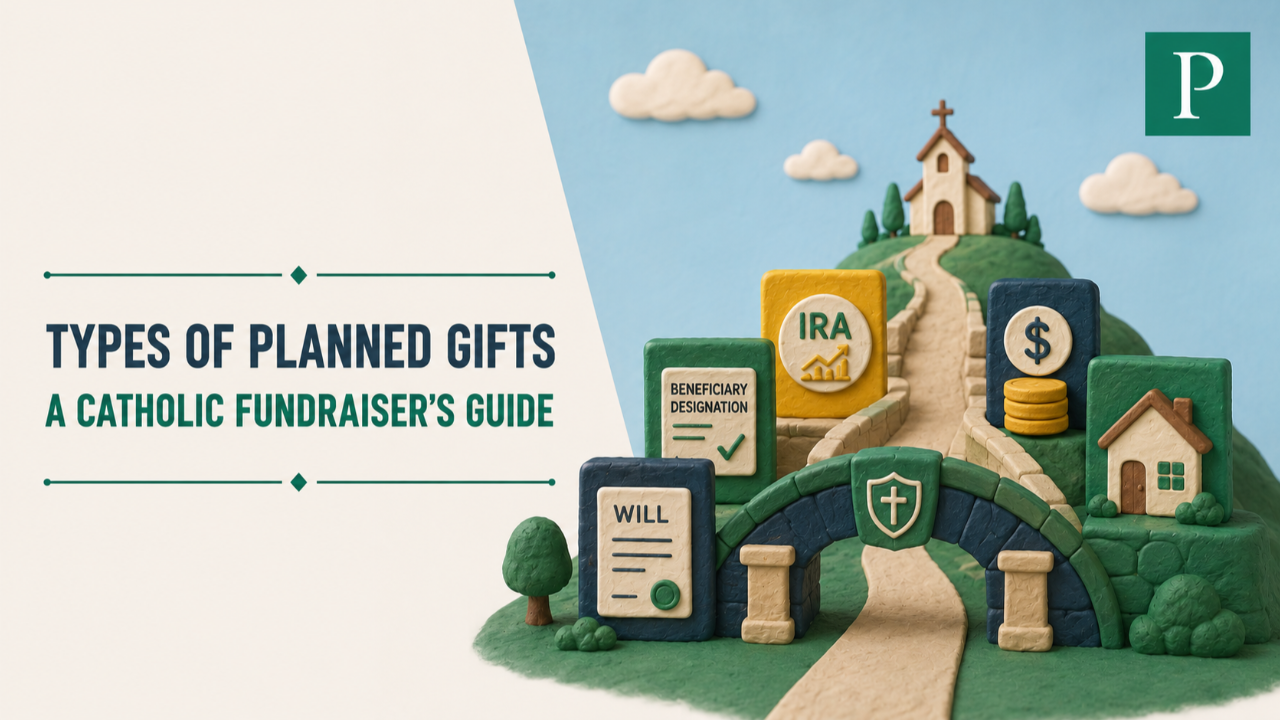
A planned gift is a charitable gift arranged during a donor's lifetime but tied to their estate plan, retirement assets, or long-term financial picture rather than to their checkbook. Some are revocable and cost the donor nothing today. Others are irrevocable...
By Rhen Hoehn, Director of Marketing
Ask a development director why a parishioner should leave a bequest, and the first answer is almost always about taxes. It's the safest-feeling answer available. It's concrete, it sounds like expertise, and it lets you talk about a will without talking about d...
By Rhen Hoehn, Director of Marketing
Planned giving is the practice of inviting and receiving charitable gifts made from a donor's accumulated assets, usually through a will, a trust, a beneficiary designation, or a life-income arrangement, rather than from current income. Most planned gifts are...

By Rhen Hoehn, Director of Marketing
Planned giving is a powerful way for donors to support causes they care about while also leaving a legacy that lasts beyond their lifetime.
Nonprofit organizations rely on thoughtful contributions like these to continue their vital work and make a diff...
By Mary Walker, Petrus Blog Contributor
Clarence, the wingless angel: We don’t use money in heaven.
George Bailey: It comes in pretty handy down here, Bub.
From the movie It’s a Wonderful Life.
Note: I am not a lawyer, and the following is not legal advice—just my perspective and experien...
By Mary Hernandez, Petrus Blog Contributor
Online giving days have been growing in popularity and reached compulsory status since the pandemic forced non-profits out of the rhythm of traditional in-person fundraising events. Whether you will participate in #GivingTuesday, her Catholic cousi...
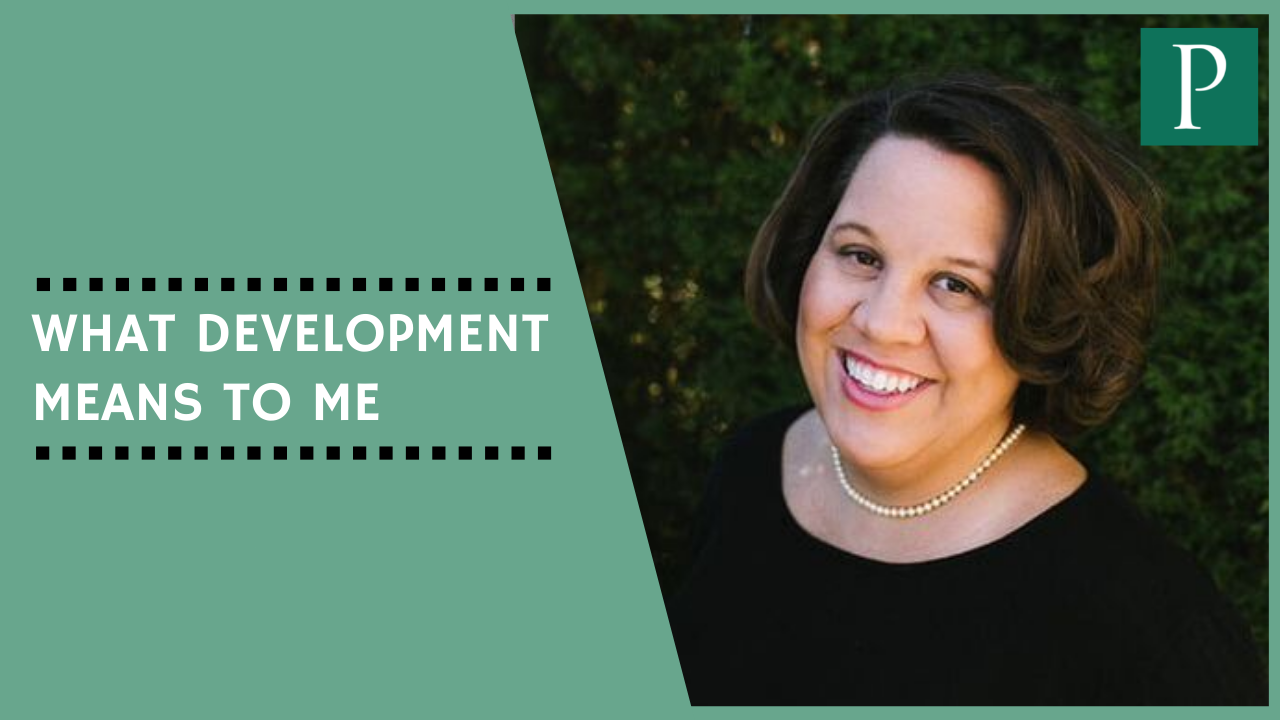
By Tara Doyon, Petrus Director of Client Services and Senior Consultant
Like many in a development-related profession, I had planned on a career in “something else.” When money was needed for organizations and programs that I cared about, I discovered and honed my development skills.
Grow...